
Stay in the loop! Subscribe to our mailing list
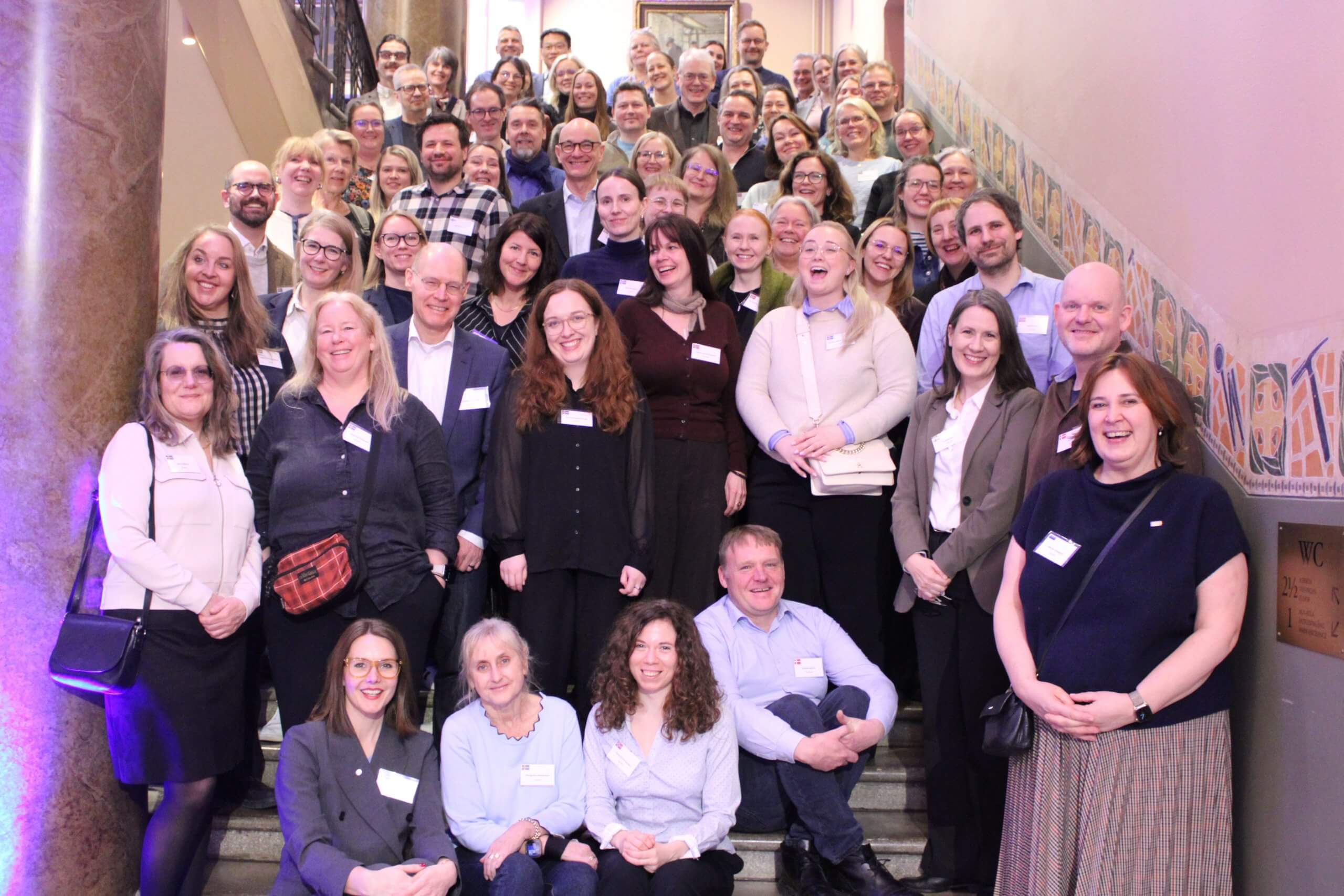
On 26 – 27 March, five Nordic National Agencies (NAs), the Icelandic Centre for Research (Rannis), the Norwegian Directorate for Higher Education and Skills (HK-Dir), the Danish Agency for Higher Education and Science, the Swedish Council for Higher Education (UHR); and coordinated by the Finnish National Agency for Education (EDUFI) jointly held a transnational cooperation activity (TCA) event on the topic of responsible internationalisation in education cooperation. Organised in Helsinki, Finland, the event brought together representatives from Nordic higher education institutions who are responsible for mobility cooperation and international partnerships.
The event featured of a series of opening keynote speeches which underlined the dynamic landscape of challenges, outside and inside of the EU, affecting responsible internationalisation in education cooperation. In their keynotes, the speakers also reflected on the increasing need for cross-sectoral dialogue and clearer guidance and support for education cooperation at EU-level, based on the advancements in research and innovation (for more details, see the ACA Newsletter – Education Europe, March 2026).
The opening panel on the second day of the event featured updates on the related national policies of the Nordic countries, with the addition of Estonia. Though the topic of responsible internationalisation has received attention across the Nordic countries’ national governments, national approaches differ quite significantly. Countries, like Finland, opt for a thematic orientation, taking action through a series of complementary steps, while Norway and Denmark pursue encompassing approaches based on the development of national frameworks and support mechanisms.
The event also included a series of practical workshops on due diligence, mobility practices and implementation and ethical considerations, guided by good practice examples from Nordic higher education institutions. During the workshops, participants exchanged ideas on how to handle complex scenarios related to each theme and discussed their institution’s approaches.
A resounding takeaway from the event is the growing need for institutional approaches that provide diverse and customised paths forward for education cooperation, based on risk awareness and mitigation strategies and with the support of EU-level frameworks and tools. Participants and speakers also reflected on the importance of safeguarding democracy in European institutions and promoting the value of cooperation in an increasingly complex global context.
ACA continues to facilitate peer learning on the topic of responsible internationalisation among its member organisations through its thematic peer group “Global Developments” (see ACA Newsletter – Education Europe, March 2026).